Aging is a natural part of life, and with it comes a variety of physical changes that impact how we feel, move, and function. One of the most affected areas in the body as we age is the spine. Your spine plays a critical role in posture, mobility, and nervous system health, but over time, it undergoes structural changes that can lead to discomfort, reduced function, and an increased risk of injury.
At Live LOUD Chiropractic, we help aging adults maintain strong, mobile, and pain-free spines so they can continue to live active, independent lives. In this blog, we’ll walk you through the anatomy of the spine, what happens as it ages, and how to manage and prevent spine-related issues as you grow older.
The Anatomy of the Spine
Before we dive into the aging process, it’s important to understand the structure of the spine. The human spine is composed of 33 vertebrae, grouped into five regions:
The spine is made up of several regions that work together to support and protect the body. It includes 7 cervical vertebrae in the neck, 12 thoracic vertebrae in the upper back, 5 lumbar vertebrae in the lower back, 5 fused vertebrae in the sacrum (pelvic area), and 4 fused vertebrae in the coccyx, or tailbone.
Between each vertebra are intervertebral discs (soft, gel-like cushions that act as shock absorbers and allow flexibility) . The spine also contains facet joints, muscles, ligaments, and the spinal cord, making it a dynamic and highly sensitive part of the body.
What Happens to the Spine As We Age?
As we get older, our spines go through natural changes that can cause stiffness, pain, and less movement. The soft discs between each bone in the spine start to lose water and flexibility, which means they can’t cushion the bones as well as they used to. This can make the spine feel tighter and lead to pain from pressure on the nerves and joints. Bone strength also decreases with age, and weaker bones can sometimes cause small fractures or changes in posture, making someone appear shorter or more hunched over.
The small joints that connect the bones in the spine can also wear down over time, a condition often called arthritis in the spine. This can cause soreness, swelling, and stiffness. As muscles around the spine lose strength, they provide less support, which can make posture worse and pain more common. Sometimes the space around the nerves in the spine gets smaller, which can press on the nerves and cause tingling, numbness, or pain that travels down the arms or legs. Staying active, keeping the core strong, and getting chiropractic care for spinal health can help keep the back flexible and reduce pain as we age.
Common Challenges with the Aging Spine
As the spine changes with age, many people start to notice more daily challenges. It can become harder to move freely, and back pain or neck pain may show up more often. Simple things like bending, walking, or standing for long periods might feel uncomfortable. Posture can shift over time, with the head or shoulders leaning forward, which puts extra strain on the spine and leads to spinal misalignment. These changes can also affect balance, making falls or small injuries more likely. Sometimes, pressure on the nerves causes sciatica, tingling, or numbness in the arms or legs. When stiffness and pain limit movement, it can impact energy, mood, and overall quality of life.
How to Manage and Support an Aging Spine
The good news is that there is a lot you can do to protect your spine and stay active as you age. While aging can’t be stopped, its effects on your back and joints can be greatly reduced with the right kind of care. Gentle movement, stretching, and chiropractic care for spinal health can help restore alignment, reduce pain, and keep your body strong and mobile. Regular exercise is one of the best ways to maintain a healthy spine. Activities like walking, light strength training, and yoga help build muscle, improve balance, and increase flexibility. Nutrition also plays an important role. Eating foods rich in calcium, getting enough vitamin D, and including anti-inflammatory foods such as berries, salmon, and turmeric help support bone health and joint function.
Posture and rest are just as important for keeping your spine healthy. Practicing good posture takes pressure off your back and neck, whether you’re sitting, standing, or sleeping. Small daily habits like improving your workspace setup or choosing a supportive pillow can make a big difference over time. Getting quality sleep gives your body time to repair and recharge, which keeps your spine strong and helps reduce stiffness and pain
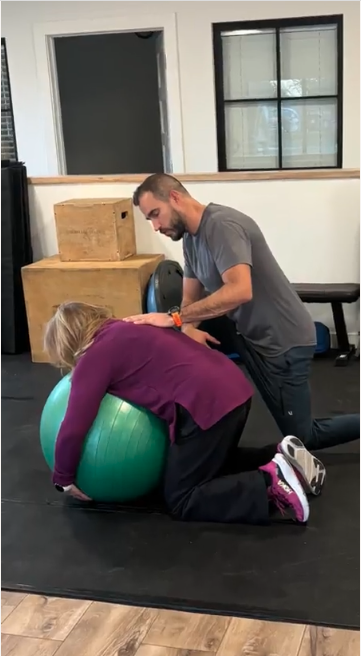
At Live LOUD Chiropractic in Lafayette, CO, we specialize in chiropractic care to improve alignment, relieve nerve pressure, and ease chronic pain. Through gentle adjustments, soft tissue therapy, and personalized rehab exercises, we help improve posture, mobility, and balance while reducing discomfort from arthritis, spinal stenosis, or disc issues. With consistent care and healthy movement, you can enjoy better spinal health and keep doing the things you love well into the future.
Real Results from Our Patients
Dr. Antonio is a game-changer!
Jason Levy
I came in with a stubborn back injury that had been limiting my training and daily movement for 11 months.. From the moment I walked in, Dr. Antonio made me feel seen, heard, and cared for—not just like another patient on the schedule. His assessment was incredibly thorough, and his treatment plan was thoughtful, personalized, and clearly rooted in deep expertise. Not generic in the least…
Within a single session, not only was my pain reduced, but I felt stronger, more mobile, more INFORMED, and more confident in my body again. He didn’t just treat the symptoms—he addressed the root cause and equipped me with strategies to stay healthy long-term.
Dr. Antonio surpassed every expectation I had. Professional, kind, knowledgeable, and truly invested in his patients’ well-being. If you’re dealing with pain, performance setbacks, or just want to move and feel better—go see Dr. Antonio. You won’t regret it.